
From Marcao to Alex Telles, from Fernando to Diego Carlos, a total of 22 Brazilian players represent Sevilla, Canario becoming the first after arriving from Real Madrid in 1962, followed by Duda’s arrival in 1975 via Vitoria Setubal. Whilst Sevilla’s first two Brazilian acquisitions came from Iberian clubs, their third – Carlos Alberto Pintinho – came directly from Brazil.
Born on June 15, 1954, Pintinho was raised in the favela of Morro do Borel but managed to avoid economic hardship as a result of his grandfather’s work at the Souza Cruz cigarette factory and attended private school. Like so many other kids in the Rio de Janeiro region, Pintinho started off plying his trade on the streets or beaches in ‘pelada’ matches before graduating to futsal for the Souza Cruz futsal team, where he impressed against the region’s top sides and eventually earned an invitation from America in order to get his footballing career started, only to revert to pelada after the club closed its academy. Pintinho then joined Fluminense’s academy at 12 years of age, moving away from his family and living in the far more well-soled region of Urca in order to better balance his footballing pursuits with his academic trajectory.
“After America’s academy disappeared, I needed to play for a new team, and I wanted to play football for real. Two of my futsal friends took me to a trial at Fluminense. They signed me up after my first trial, and that is where everything started at 12 years of age,” stated Pintinho in an exclusive Football España interview. “Fluminense was in Laranjeiras, and the residency was 20 minutes away in Urca, they wanted me to have peace of mind. They paid for my studies and training, and they convinced my grandmother – I have always lived with my grandparents – that it was better for me to be closer to Fluminense.”
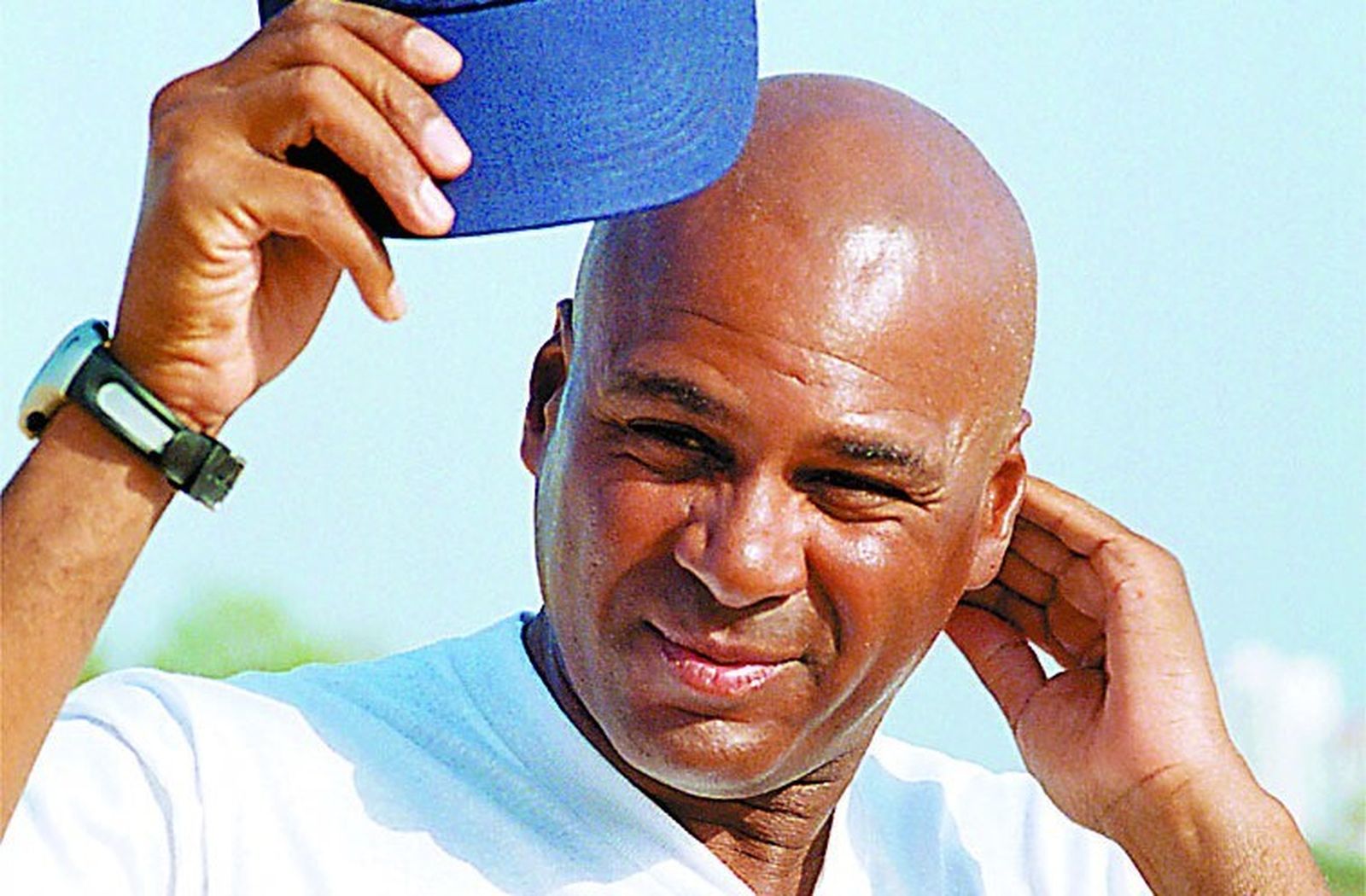
“They reached an agreement, and from that point, I went to live there, which was a very beautiful stage in my life. I grew up in a favela near the Maracana, but I didn’t have any problems, my childhood was very good. My whole family was from the favela, but I went to a private school and started playing football very early and then went to a very chic neighborhood called Urca to train at the Fluminense residency at 12 years of age. I used to spend Monday to Saturday in Urca, and then when we played at Laranjeiras, I’d go back home on Sunday, but whenever we played away, we stayed at the Fluminense academy.”
Eventually, this sacrifice paid off, with Pintinho debuting for Fluminense’s first team at the age of 17 in 1972 and spearheading Brazil to victory against Argentina in the Tournoi Juniors U-18 de Cannes in France, Pintinho headed for Munich and competed in the Summer Olympics, finishing bottom of the group. Similar to Thomas Grønnemark, or Blaise Matuidi, Pintinho stood out thanks to his imposing physical stature and aggressive marking, combining a rugged tackling approach with measured passing. It’s why, despite having to challenge captain Denilson for a starting spot, Pintinho would become an indispensable piece in midfield, leading them to victory in the 1973 and 1975 Campeonato Carioca as well as the 1973 Torneio Internacional de Verao do Rio de Janeiro.
Pintinho emerged as one of the best holding midfielders in the Brasileirao and held his own against some of the best players of his generation, including one of the greatest to ever step onto a football pitch: Pele. But whilst he emerged as a club legend for Fluminense, he failed to make his mark for Brazil. Having narrowly missed out on a World Cup selection the previous year, Pintinho attempted to boycott the 1979 Copa America but was forced to attend, making his third and final appearance in their elimination to Paraguay.
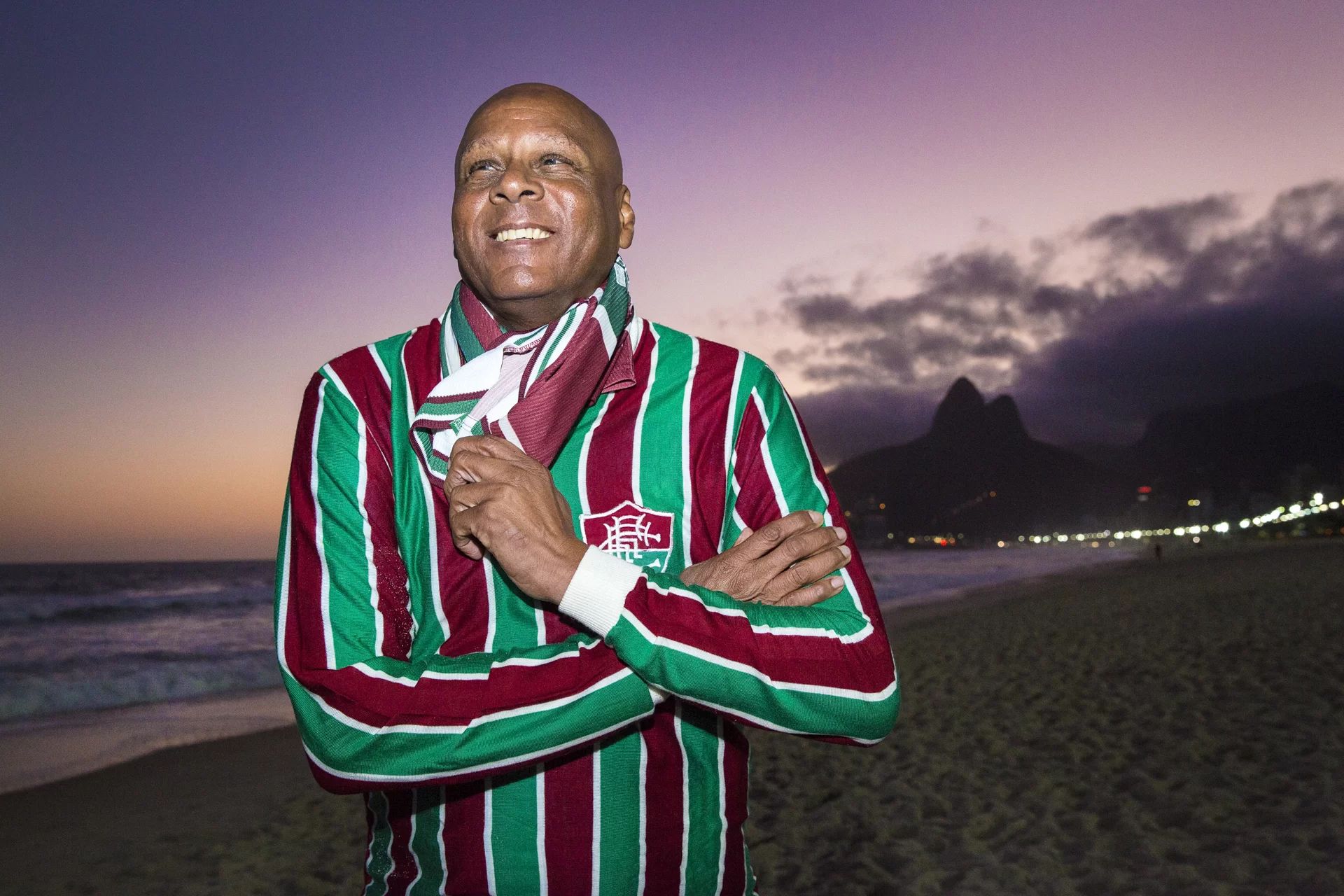
After racking up 23 goals and nine trophies in 381 appearances for Fluminense, Pintinho decided to make the move to Vasco da Gama, lasting just a few months before deciding to leave his hometown and start a new life for himself in Seville in 1980. Fast-forward nearly 46 years, and he still hasn’t left. Pintinho went from a hard-nosed number 5 in Brazil to a skilled number 10 in Spain, scoring 25 goals in 102 appearances before departing in 1984 for fellow Andalusian side Cadiz. After a brief homecoming to Fluminense, he had a final swan song at Portuguese side Farense. But even whilst playing for Cadiz and Farense, Pintinho remained intrinsically linked with Sevilla, heading back to his home in ‘The Bride of the Guadalquivir’ on the weekend.
“I left Rio de Janeiro and went to Sevilla in 1980, and my home has been there ever since – I don’t really count my brief return to Fluminense. After leaving Sevilla, I met a gentleman who was very fond of my way of playing, and he had a friendship with the President of Cadiz, and he asked me if I was interested in going to Cadiz. At the time, I had just finished playing for Fluminense, I was without a team, and I was just spending the summer on the beach, so I decided to spend a year at Cadiz, but my home was in Sevilla; I knew perfectly well that when I finished playing football, I would live in Seville.”
“I then had the opportunity through a former Sevilla teammate who asked me if I was interested in playing for Farense, and that’s where I ended my career. I played there for a year before hanging up my boots at 32 years old. I was very tired from always playing, I had never had a single injury in my entire career, and I knew that it was time to call it quits.”
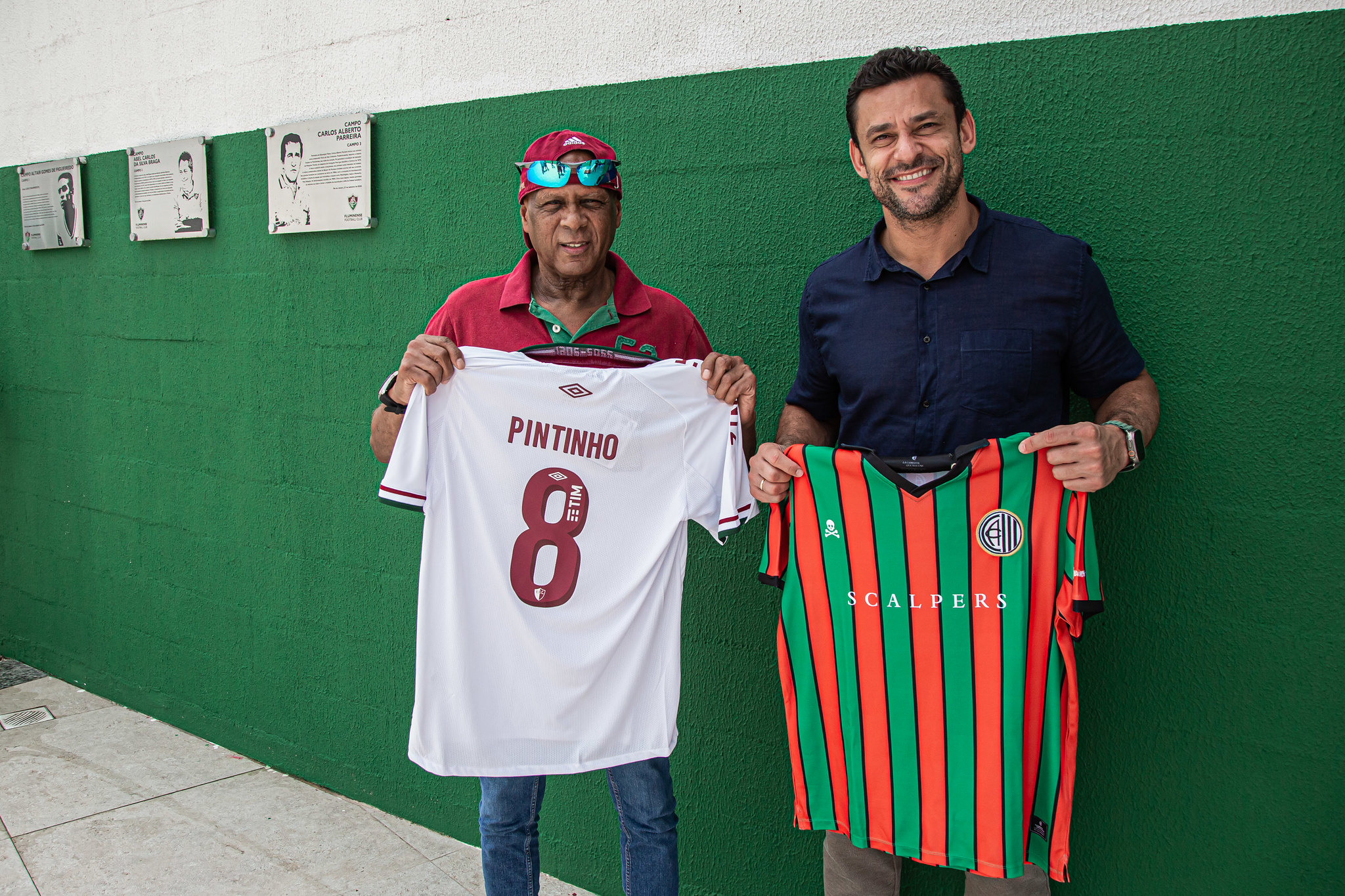
Since ending his footballing career in 1987, Pintinho has occupied a number of different positions off the pitch. Just like Glenn Davis or Ernesto Valverde, Pintinho went from playing to coaching, gaining his coaching licenses and overseeing a team in Murcia, only to grow homesick and head back to Sevilla, where he opened a footballing school for young kids in the region. He balanced youth coaching with operating his own sports clothing store before finally retiring in 2020.
“I remember ex-Fluminense player Carlos Alberto Torres, the captain of Brazil’s winning 1970 World Cup campaign, who set up a school to train kids, so I got the idea when I arrived at Sevilla – why shouldn’t I start an academy? Honestly, it was one of the most wonderful experiences I’ve had in a long time in football, because I trained a lot of children. We had a football pitch for training every single day of the week and on Saturdays and Sundays, we played matches. I had people who helped me, but the school was mine and it was a very nice job. I’m very proud of how things turned out, and the truth is, I really enjoyed being a pioneer of football schools in Sevilla, and a lot of the kids who were in the academy are now men, and we now have a very nice relationship.”
:format(jpg)/f.elconfidencial.com%2Foriginal%2F72b%2F02b%2F75f%2F72b02b75fda816c0d4359bf05a43a5b2.jpg)
Pintinho may no longer be capable of playing football after undergoing hip surgery, but he nevertheless remains actively interested in the beautiful game and follows the Brasileirao, La Liga and other leagues, regularly chatting with his sons Pablo, who covers Sevilla for Diario de Sevilla, and Carlinhos, who lives in Madrid and is the youngest FIFA-licensed agent in Spain. And this coming summer, he’ll have the chance to watch his home country Brazil up against his adopted homeland of Spain for the most coveted trophy on Earth: the FIFA World Cup.
“My wife is from Las Palmas, and whilst she doesn’t know much about football, she understands a little as her brother (Jose Diez Calleja) played as a right-sided defender for Real Betis. Sometimes she goes to the game with me, sometimes not. Having lived in Spain for 45 years, and having watched Brazil and Spain’s matches on a regular basis, I’d still root for Brazil, even though I also consider myself Spanish. A stalemate is fine – that would leave me in peace!”
The post Carlos Alberto Pintinho Opens Up to Football España appeared first on Football España.




